
Amphibian Skin Breathing
Amphibian Skin Breathing
Linking skin structure to function
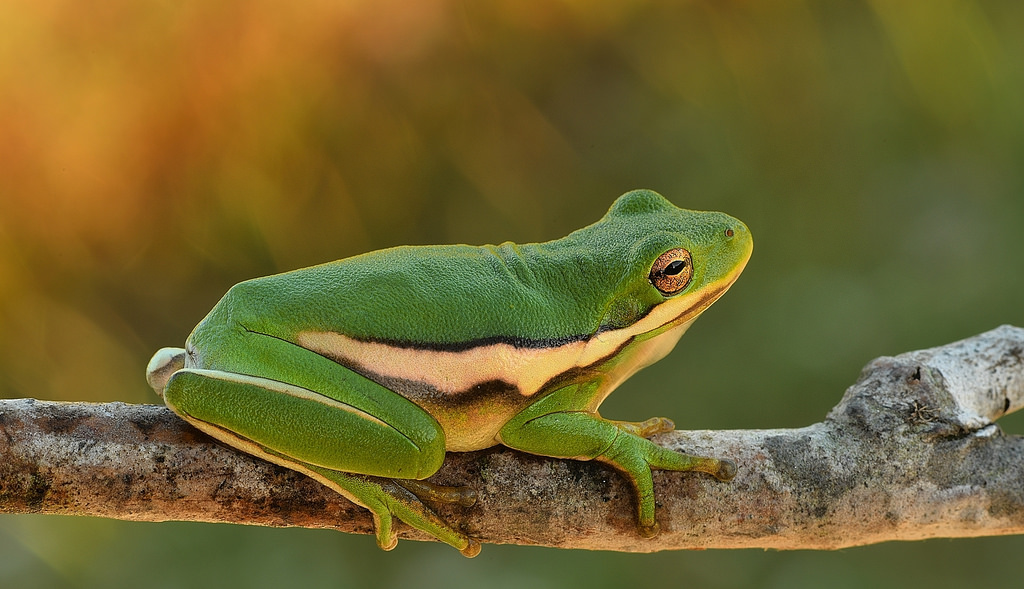
Amphibians rely on their skin to breathe. We study how amphibians breathe across their skin and how they adapt to different environments by adjusting skin breathing.
Skin as a barrier
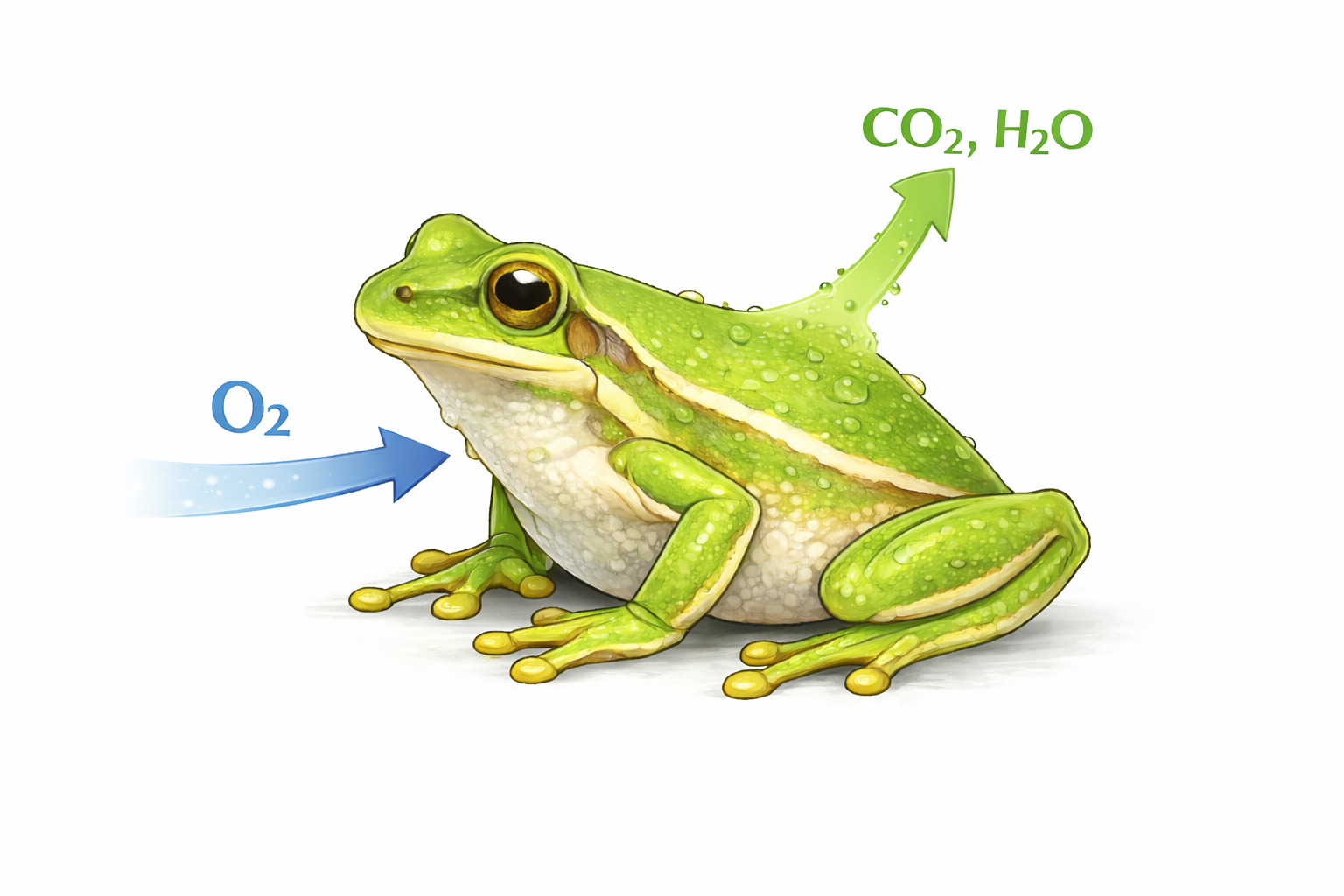
Amphibian skin must do two things that often work against each other: let oxygen diffuse inward while slowing water loss outward. This produces a fundamental trade-off between breathing and hydration.
- Oxygen uptake: the absorption of oxygen across respiratory tissue
- Water balance: evaporative demand + skin permeability determine the water loss rate
- Trade-offs: traits that help one function can constrain the other
Skin structure
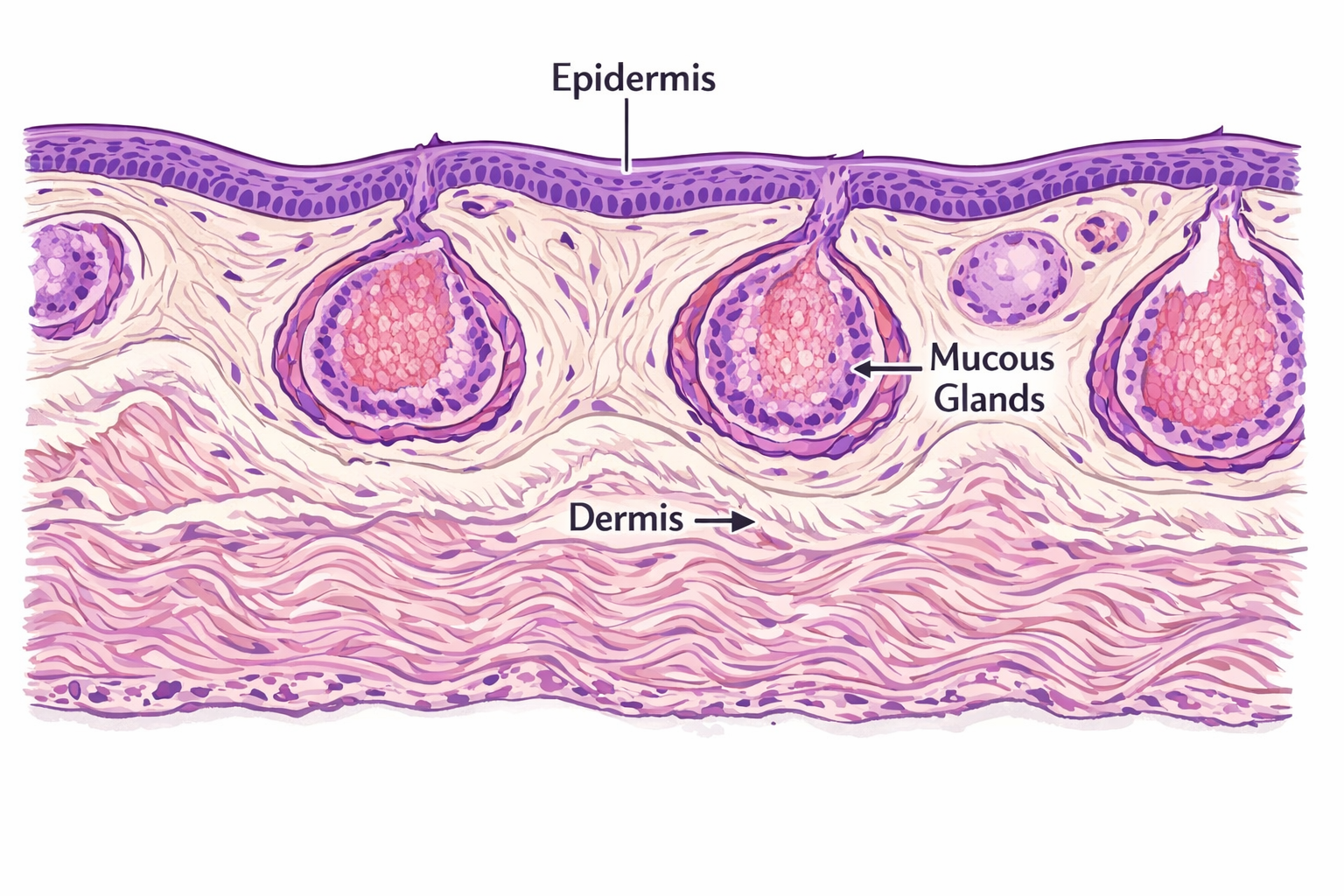
We use histology to characterize skin structure to connect morphology to physiology. Depending on the question, this can include epidermal thickness, gland densities, capillary density, and other features that influence diffusion and resistance.
Thickness, layer organization, surface complexity, and features associated with permeability and hydration.
Comparative approach: linking traits to evolution
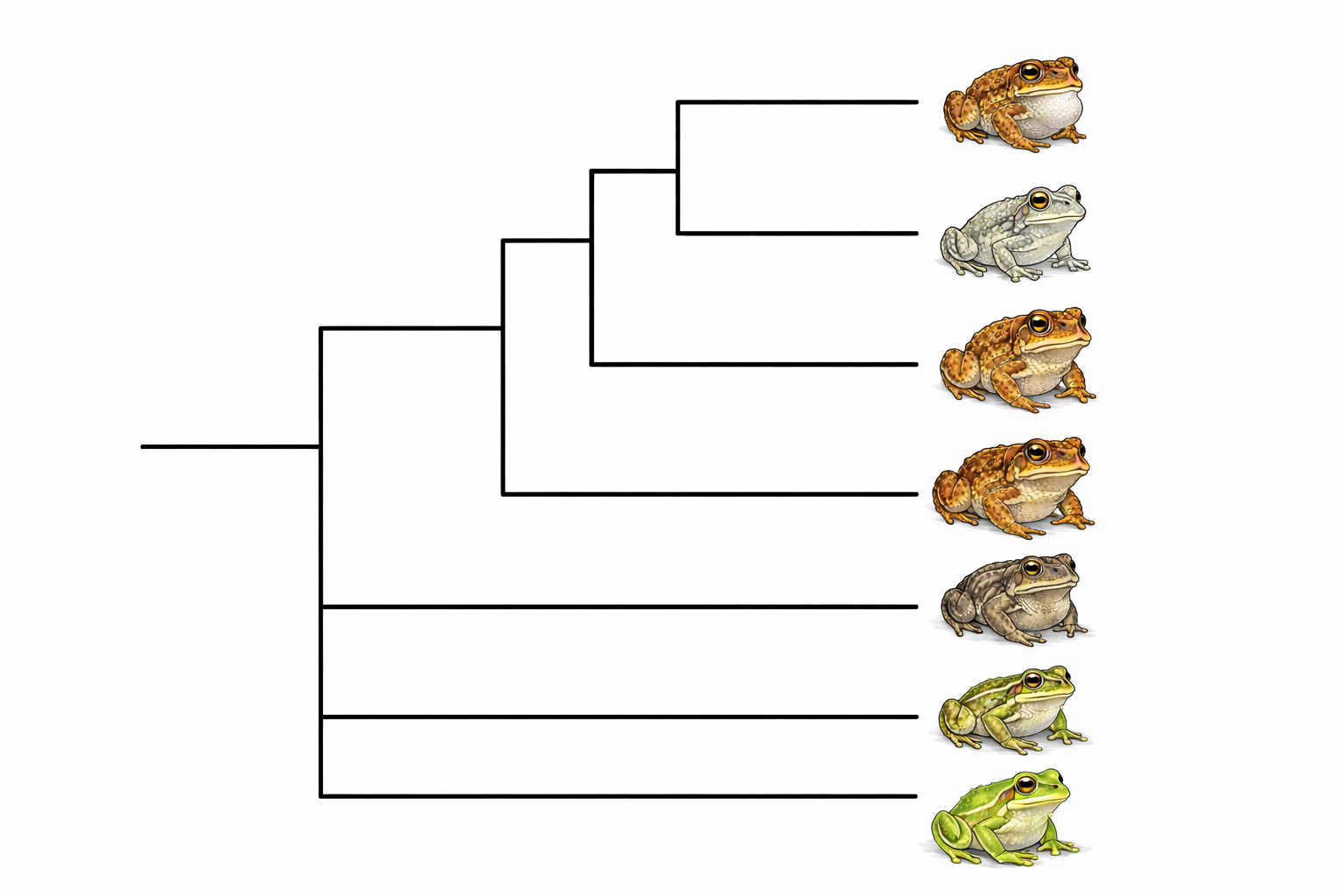
We use the comparative phylogenetic method to ask how skin structure and environment shape skin breathing across species. By combining trait data with evolutionary relationships, we can test whether phenotype differences between species are driven by natural selection or shared ancestry.
- Across species: quantify skin traits and gas flux in multiple lineages
- Comparative method: account for relatedness when understanding species' differences
- Inference: identify repeated evolutionary shifts that point to selection

Why it matters
Rates of water loss and gas exchange serve an imporant link between organism fitness and environmental change. By understanding variation in these rates across species, we can improve forecasts of dehydration risk and physiological performance across microclimates — and better understand how amphibians respond to environmental change.
Traits → performance → energy and water balance. This is the bridge from physiology to ecology.
Methods snapshot
Histology
Sampling, sectioning, staining, imaging, and standardized morphometric measurements.
Skin flux
Skin-specific measurements of gas exchange and water loss using respirometry.
Integration
Mechanistic niche models to identify which structures explain functional variation.
Interested in collaborating?
If you’re working on amphibian physiology, skin structure, diffusion barriers, or dehydration ecology, feel free to reach out: riddell@unc.edu.