
Desert Tortoise Physiology
Desert Tortoise Physiology
Linking age-specific physiology to mechanistic predictions for conservation.
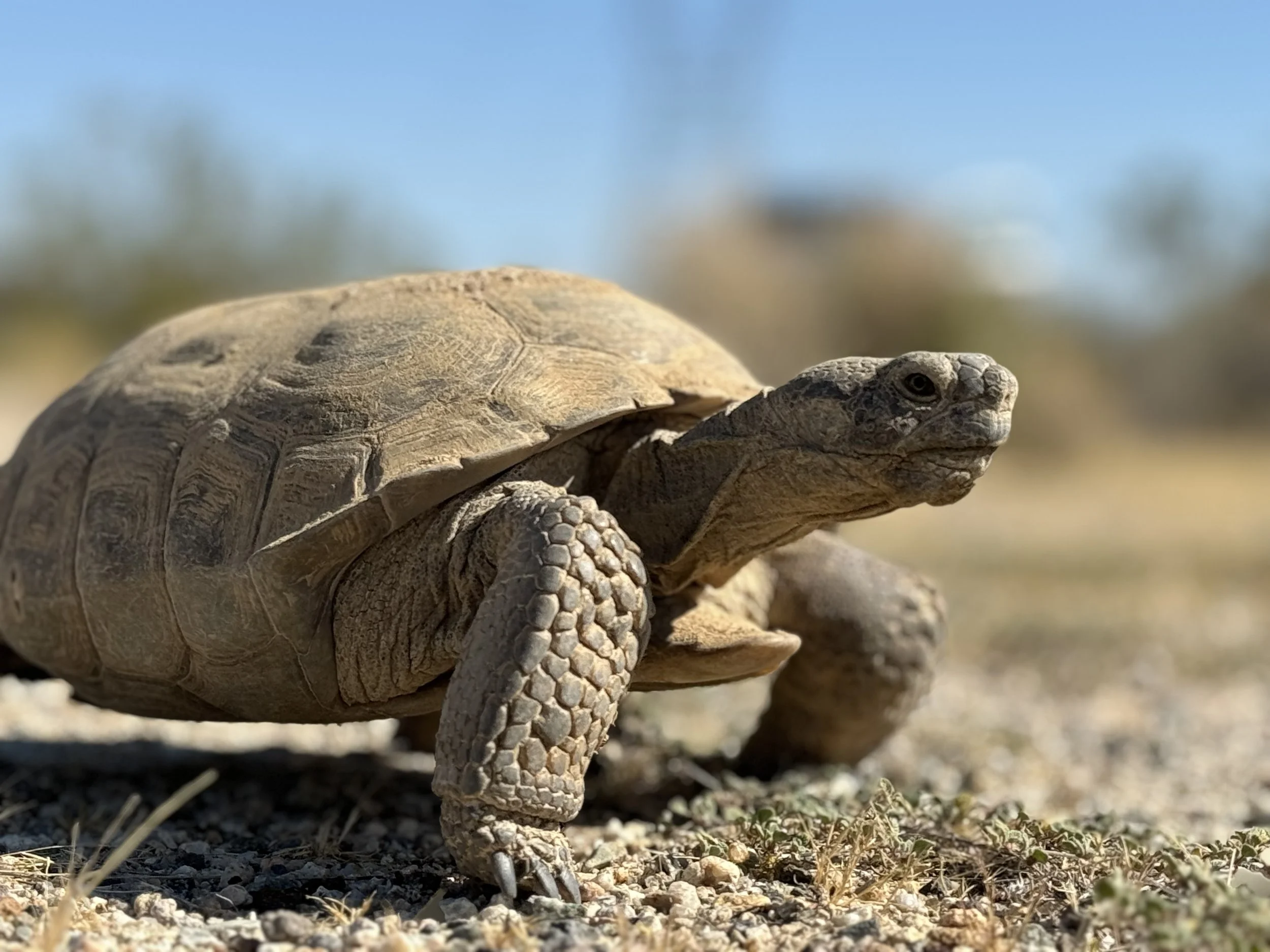
Desert tortoises experience extreme thermal and hydric conditions. We study how physiology varies across age classes and use those mechanisms to improve predictions of habitat suitability and translocation outcomes.
Physiology across age classes
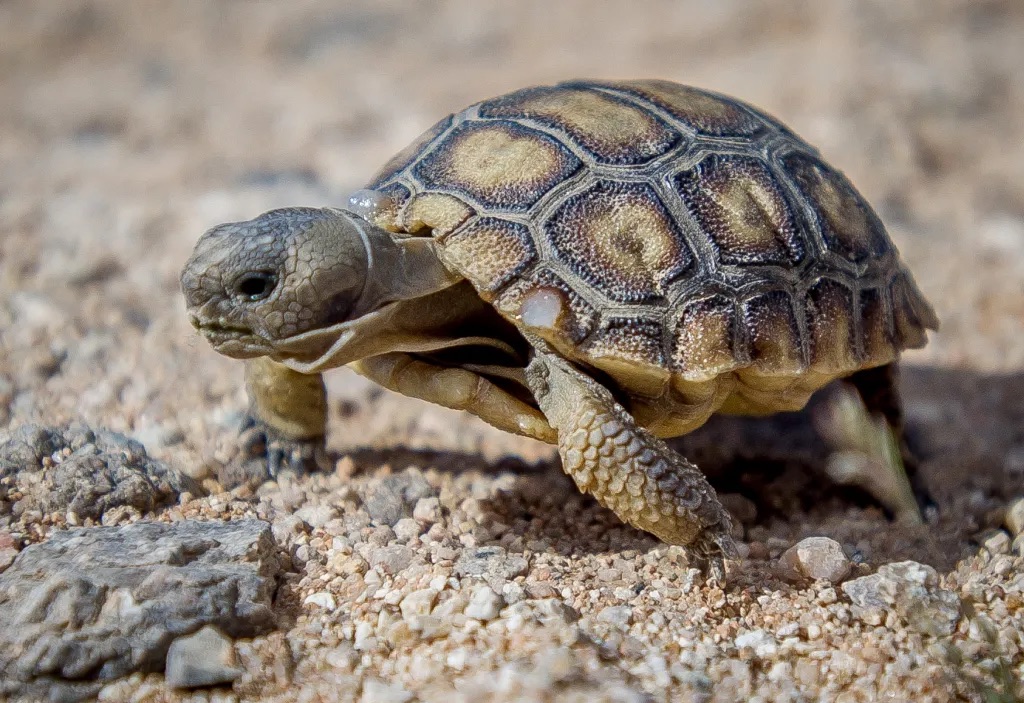
We test whether hatchlings and juveniles are more thermally sensitive than adults and whether early life stages may be more vulnerable. By measuring physiological responses across temperatures, we identify which age classes are most vulnerable and why.
- Age comparisons: hatchlings, juveniles, and adults
- Thermal sensitivity: performance curves across temperatures
- Mechanisms: metabolic rate, water loss rate, energy and water balance

From mechanism to management
We integrate age-specific physiology into mechanistic niche models to predict where tortoises can maintain safe body temperatures and water balance across real landscapes. These forecasts can guide decisions about translocation sites and identify when microclimate refuges are necessary for success. This work is conducted in partnership with the San Diego Zoo Wildlife Alliance.
- Mechanistic models: predict body temperature and dehydration risk
- Site selection: identify refuges and microclimates that support survival
- Conservation impact: improve translocation planning under climate change
Methods snapshot
Physiology
Respirometry across age classes, focused on thermal sensitivity of physiological traits.
Microclimate
Quantifying operative conditions and refuge environments that shape exposure in the field.
Modeling
Mechanistic niche models linking traits to landscape-scale predictions for management decisions.
Interested in collaborating?
If you’re working on reptile physiology, mechanistic niche modeling, or conservation translocations, feel free to reach out: riddell@unc.edu.